Kaduna — The Founder of LIDA Network, Irene David-Arinze, has underscored the need for journalists to adopt responsible reporting practices as a tool for peacebuilding amid rising insecurity and social tensions in parts of northern Nigeria.
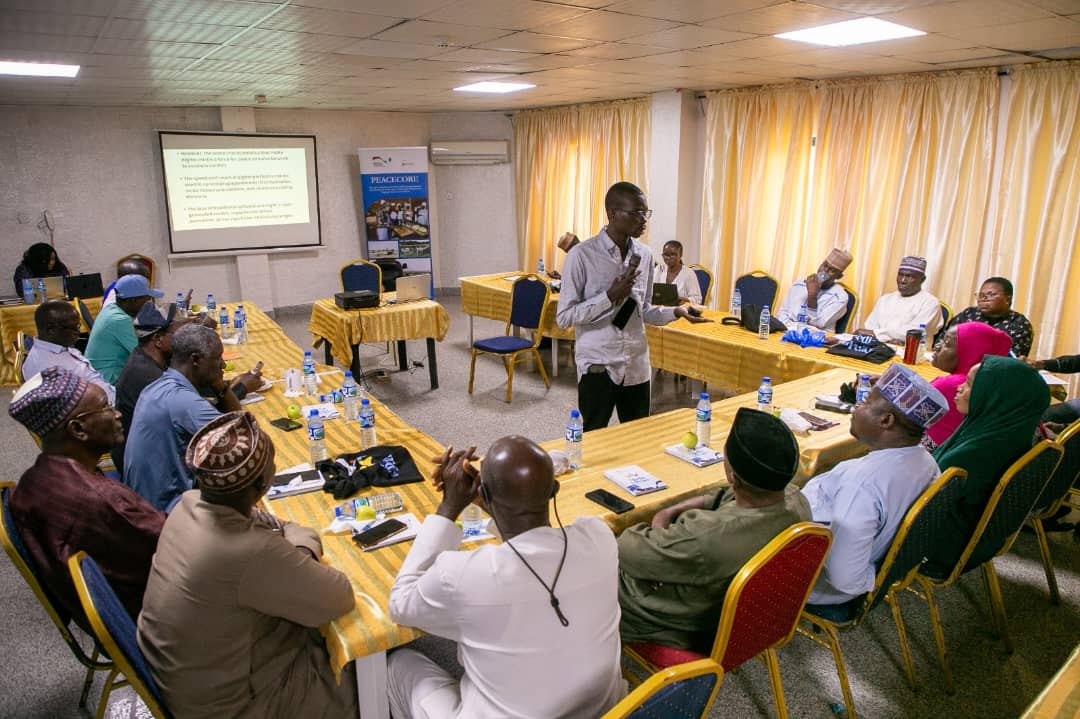
She made this known during a media training session held in Kaduna under the GIZ-funded PEACECORE II project, where she noted that the initiative was aimed at strengthening the role of the media in conflict prevention and resolution.
The training, themed “Media for Peace,” brought together journalists and young content creators to build their capacity in conflict-sensitive reporting, particularly in volatile states such as Kaduna, Plateau and Adamawa.
David-Arinze said the media plays a pivotal role in shaping public opinion and warned that unverified information, misleading narratives, and sensational headlines could exacerbate existing tensions.
“We are leveraging the power of the media to douse tension, especially around religious and ethnic issues, and to promote peaceful coexistence,” she said.
She explained that the training focused on addressing misinformation, disinformation, and malinformation, while encouraging participants to uphold objectivity, balance, and professionalism in their reports.
According to her, journalists must be mindful of how stories are framed, as even headlines alone can influence audience perception and potentially trigger unrest.
A total of 60 participants attended the session, including 30 professional journalists and 30 youths involved in media and content creation, comprising both early-career practitioners and experienced professionals.
David-Arinze described the participants as receptive, noting that the training featured interactive sessions and practical learning.
She also called for stronger collaboration between media practitioners and communities, urging journalists to maintain ethical standards and credible sourcing despite operational challenges.
Facilitators Emphasise Sustainability of Peace Journalism
Facilitators at the training stressed the need for sustained engagement with media practitioners to ensure long-term impact. They noted that beyond a single workshop, continuous mentoring and follow-up activities are essential to reinforce the principles of conflict-sensitive reporting and peacebuilding.
They also commended the level of participation and openness among participants, describing it as a positive sign for the future of responsible journalism. The facilitators urged media organisations to institutionalise ethical reporting standards and support journalists with resources that enable fact-checking and balanced storytelling, particularly in conflict-prone regions.
Participants Highlight Impact of Training
Some journalists who attended the training described the session as timely and impactful, noting that it reshaped their understanding of the media’s role inly conflict situations. They said the discussions on misinformation, headline framing, and ethical reporting exposed gaps in their daily practice and provided practical tools for improvement. According to them, the emphasis on accuracy and balance would help them avoid reports capable of escalating tensions in fragile communities.
They further expressed commitment to applying the knowledge gained in their respective newsrooms, especially in reporting sensitive issues related to religion and ethnicity. The participants added that the interactive nature of the training allowed them to share experiences and learn from one another, while also strengthening collaboration between professional journalists and emerging content creators.
The PEACECORE II project seeks to enhance conflict transformation efforts and support peaceful coexistence in vulnerable communities across Nigeria.